Collecting Toys as an Adult: 14 Savvy Saving & Frugal Finance Tips

Written by
Cara Bradley
7 min read
Updated: 19/02/2026
In the UK, adults buying for themselves account for £1 of every £5 spent on toys, which is around 20% of the entire toy market. Between July 2024 and July 2025, 43% of adults bought a toy for themselves or another adult, and in 2025, plush toy franchise Build-a-Bear Workshop stated that 40% of their business came from teenagers and adults.
The world can often feel like a daunting place.
External events, such as conflict on the news or the cost-of-living crisis, coupled with personal day-to-day struggles, can lead to us feeling overwhelmed, anxious, and eventually, burned out.
In a world that refuses to slow down, it’s no wonder so many of us are seeking escapism and comfort wherever we can. For many adults (or ‘kidults’, as they’ve been dubbed), this escapism comes in the form of collecting and playing with toys.
While there’s absolutely nothing wrong with adults collecting toys, it’s vital to be aware that, if unchecked, this escapism could have financial implications.
In the Viva Money guide to collecting toys, we explore why toy collecting has become so popular with adults, as well as share tips to help you budget and make both your money and collections go further.
Common collections, enjoyed by both kids and ‘kidults’ alike
- LEGO
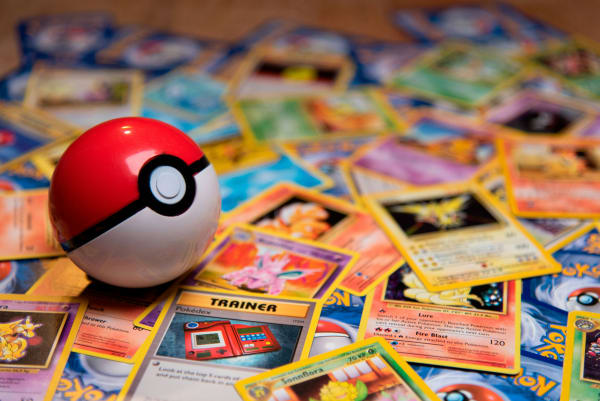
- Pokémon cards
- Jellycats
- Squishmallows
- Sylvanian Families
- Mini Brands
- Labubu
- Sonny Angels
Why do some adults collect toys?
From indulging in a spot of nostalgia to seeking comfort, there are many, many reasons why adults may choose to collect toys.
You may wonder, ‘what’s the psychology behind adults buying toys?’ but it’s very important not to read too much into this. While some adults may collect toys to help them cope with challenging or traumatic situations, others may simply enjoy collecting things.
If you’re an adult who enjoys collecting toys, try not to over-analyse the potential reasons behind it; as long as it isn’t negatively impacting your finances, there’s really nothing to worry about or be ashamed of.
Is it okay to collect toys as an adult?
Yes, it’s more than okay to collect toys as an adult!
The only way it wouldn’t be okay is if you’re splashing out when you can’t afford to, or you’re applying for credit to cover your spending.
Toys are not an essential expense, and should never be paid for using emergency credit, such as a personal loan.
Collecting toys as an adult: 14 savvy spending and frugal financing tips
- Remember the golden rule: never spend money that you can’t afford.
- Working out your monthly budget could help you keep track of your money and give you a clear idea of how much you have spare. At the beginning of each month, make a note of the total income you’re guaranteed to receive. This can include wages and long-term benefits. Next, deduct the overall cost of your combined essential outgoings. The figure you’re left with is referred to as your ‘disposable income’ and can be saved or spent however you choose. It’s a good idea to try and save money as and when you can; having an emergency pot set aside could be a real lifesaver in the event of an unexpected expense, such as a failed MOT or a broken boiler.
- As discussed, you should never apply for emergency credit to pay for toys. If you have a credit card, you should try to avoid using it to buy non-essential items, and you should never spend money that you can’t afford to repay.
- Toys are not necessary purchases, and spending money on them should never come above covering the cost of your essentials, such as housing, bills, and food.
- Before you make a purchase, pause and ask yourself, ‘Am I buying this because I want it, or am I buying it out of FOMO (fear of missing out)?’
- New and/or exclusive releases often end up on second-hand sites, such as Vinted, for double their retail price. Try to avoid falling into the hands of resellers.
You’ll usually find that once the hype and demand die down, reseller prices will also start to fall. For example, in 2025, an ‘exclusive’ Jellycat pigeon was released in the New York store, FAO Schwarz. Resellers capitalized on the frenzy and listed the $55 pigeon for over £100 on Vinted to make a profit out of UK-based collectors. In February 2026, the same pigeon was widely released in the UK for £35. - Buy things because you like them, not because they’re considered ‘rare’, ‘exclusive’ or ‘could be worth money one day’.
- Take advantage of any rewards schemes and discounts associated with your collectibles. For example, some stores may offer a loyalty card, granting you money off once you’ve spent a certain amount.
- Be wary of fakes. From Pokémon cards to Sonny Angels, there are many fake versions of popular toy brands in circulation. When buying second-hand, you are well within your rights to ask to see photos of the label(s), proof of purchase, and, if applicable, proof of authenticity. Unintentionally buying a fake item could result in wasted money.
- On the other hand, you might be open to the idea of ‘dupes’. If you’re not bothered about ‘official’ labels, settling for a replica could be a way to save money while still enjoying collecting. Many dupes look very similar to the real deal, so if you don’t mind settling for a copy, you could bag yourself a decent bargain.
- Make a habit of checking out the charity shops. You may just stumble across a rare gem for a steal of a price.
- Join online groups of similarly minded collectors. Fellow collectors could help you locate your ‘desperately in search of’ (DISO) items, as well as offering trades, which could be a hassle-free alternative to selling a collectible you no longer want, and then hunting down one that you do.
- Regularly assess your collection. If you’ve fallen out of love with some of your items, you may consider selling them and putting the money towards something new.
- If you recognise that your toy spending is out of control or negatively impacting your life or finances, you should take a step back and consider seeking professional support, for example, from your GP. If you’ve become reliant on buying toys as a distraction to ward off unpleasant feelings, such as anxiety, it might be an idea to gently explore this with a professional or trusted family member or friend.
We’ve included references to several charities and organisations below. Mental health charity MIND has also put together the following page on Money and Mental Health, which you might find useful.
Is toy collecting a good investment?
It’s very hard to say whether toy collecting could be considered a good investment. The value of items is frequently subject to change based on several factors, including supply and demand, and just because something is popular now, it doesn’t mean it will be highly sought after in 10-20 years.
Let’s take a look at TY Beanie Babies, for example. The once £5-a-pop soft toys took the 90s by storm, teasing future wealth. The reality is that very few TY Beanie Babies are worth much nowadays. Many Beanie Babies are available on Vinted for as little as £1.
Of course, it’s up to you whether you choose to collect based on the possibility of future value, but generally, collecting may feel much more fun, rewarding, and less pressurised if you buy the things you like, regardless of how much they could be worth in 10 years.
How to make money from your toy collection
If you are collecting with future investment in mind, try to keep your purchases in mint condition, preferably with original packaging and labels. It’s also an idea to retain proof of purchase.
Got an item you’re looking to sell? Do your research.
Browse through listings on second-hand sites to give you an idea of the average asking price. On eBay, you can input your item description and see recent results of how much matching or similar items sold for.
‘Around the time of new releases, I stay off social media and avoid content that feeds into the FOMO.’
One member of our office said the following: ‘I’ve collected plush toys since I was a child. I frequently deal with sensory struggles, and my teddies help to calm me down when I feel overwhelmed or anxious.
‘My collecting craze started with TY Beanie Babies in the 90s, and nowadays, I focus my attention on Jellycats. They’re not cheap, so I budget carefully, even if it means having to wait and save up for the ones I want. Once my essential outgoings and savings have been covered each month, I feel comfortable putting whatever money is left towards my hobbies and passions, such as collecting plushies.
‘The thing with collectibles, in particular Jellycats, is that new designs are released fairly frequently. This can create a sense of FOMO amongst fans, which could, in turn, lead to reckless financial decisions. I try to resist getting swept along in the hype of new, often ‘exclusive’ drops to ensure I’m not making any rash choices and wasting money. I do this by staying off social media and avoiding content that feeds into the FOMO, and delaying any potential spending by a week. If, after a week, I still want to buy the item, I will think about making a purchase – if I can afford it. However, if I’ve not given it much thought, it’s a strong indicator that I should probably save my money.’
Get free, confidential financial support
The following organisations offer free, impartial financial advice on a range of topics, including money management and debt: