What to do if You Can’t Afford Vet Bills in the UK

Written by
Cara Bradley
9 min read
Updated: 28/01/2026
In the UK, average veterinary costs rose by a massive 63% between 2016 and 2023, and a study carried out by Co-Op Insurance revealed that 1 in 5 UK owners avoid taking their pet to the vets because of the cost.
In addition to this, animal charities believe that the high cost of veterinary care is a factor in the increasing number of animals being abandoned.
There is no doubt that the sometimes staggering expense of vet bills could leave pet owners in impossible positions, with many facing the choice between forking out thousands of pounds for treatment or having their pet put to sleep.
If you’ve wondered what to do if you can’t afford vet bills, or have asked, ‘how do I pay my vet bill if I have no money?’, this guide is for you. Viva Money explores the options that could be available to help ease some of the financial burden of veterinary costs in the UK.
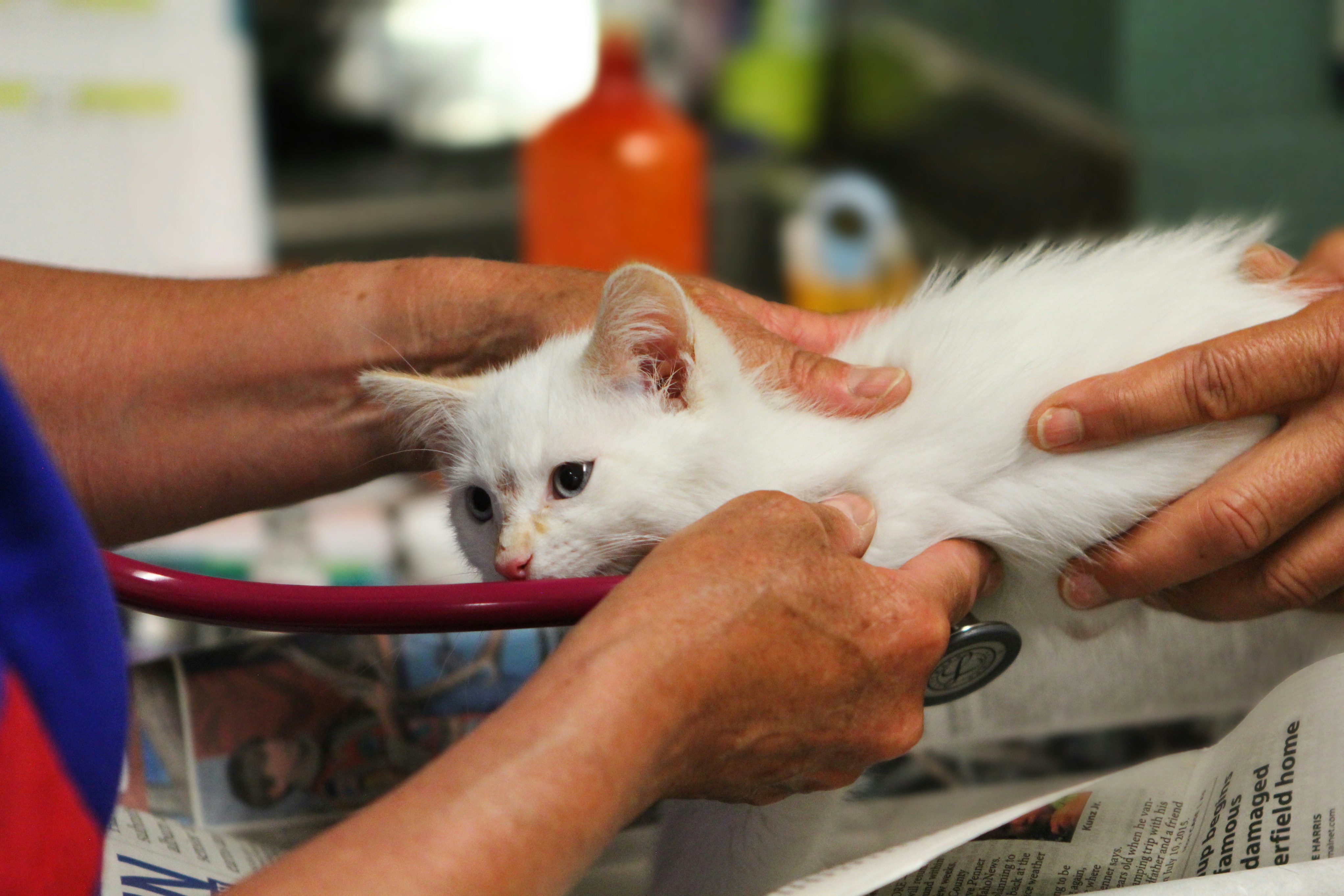
Veterinary care costs: what choice do we have?
Lumps, bumps, and illnesses are all part of the deal when we welcome a pet into our home. None of us is naive enough to think that we’ll be exempt from a trip to the vets at some point in our pet’s life. It’s easy to say, ‘don’t have a pet if you can’t afford one’, but it feels as though the pool for those who can comfortably afford the cost of veterinary care is getting smaller.
My pet mouse recently developed a mass on his neck, and I paid over £100 for a consultation and a week-long course of antibiotics. If the antibiotics didn’t reduce the swelling, it would set me back almost £300 for a lab test – and that’s before we even factored in possible treatment options.
Standing in that room, I felt like I had failed my pet. I was hit with a wave of shame, devastation, and anger. Anger, because it shouldn’t have to be like this. Loving pet owners should not be put in this position.
Aware of my consultation time ticking over into the next patient’s appointment, I juggled with mental maths on the spot, working out how I could afford the care required to potentially keep my pet alive.
My vet was sympathetic to my situation and apologised for the immovable costs set by the lab.
What choices do we, as pet owners, realistically have?
Without the required care and treatment, our pets run the risk of declining health – or worse. So of course, we do whatever it takes to prevent that from happening, often at an almighty cost.
How much does a vet visit cost in the UK?
The cost of a vet visit in the UK varies hugely, based on the practise, the pet, the nature of the visit, and, if applicable, the treatment required.
In 2025, the average cost of a veterinary consultation in the UK was £61.99 – an 8% increase from the previous year.
What do vets do if you can’t pay?
If you can’t afford to cover the cost of recommended treatment for your pet, your vet should take the time to talk you through any options that could be available, such as instalment plans or charity support.
Both you and your vet need to be honest and transparent about costs to ensure the best outcome for your pet.
What to do if you can’t afford vet bills in the UK
If you’re struggling to afford vet bills, there may be options available to help cover the cost.
- Check your insurance
Do you have pet insurance in place? If so, the first thing you should do is check to see whether the treatment or procedure your pet requires is covered by your existing plan.
How does pet insurance work? When you take out pet insurance, you’ll typically pay a monthly or annual premium. If your pet requires veterinary treatment that’s covered by your policy, you will need to submit a claim to the insurer. If approved, your insurance provider will either reimburse you for all or some of the money spent on treatment or will pay the vet directly. Please be aware that you may need to pay a fee (or ‘excess’) for making a claim. - Ask your vet about instalment payment plans
‘Will a vet let me pay in instalments?’ is something you may have wondered, and the answer to this question is that it will depend on the veterinary practise you’re registered with.
Some veterinary practises do offer customers the option to cover treatment costs in instalments. Please note that this could be through either the veterinary practise itself or via a third-party finance company, such as Klarna.
The payment plan(s) available to you will depend on the finance provider and the veterinary practice, and you may be subject to a credit check in some situations.
You should think very carefully and do thorough research before deciding whether using a finance provider is a good idea. You should pay particular attention to the following points
- Will you be required to undergo a credit check with the finance provider? If so, are you aware of how a hard credit search will affect your credit file and score?
- Will you need to pay a deposit upfront?
- Will you be charged interest?
- Are you certain that you’ll be able to meet each payment instalment?
- Does your local veterinary practise offer a health club membership?
Some veterinary practises offer customers an annual health club membership, which typically offers perks such as discounted consultations and general procedures, including nail clipping and routine vaccinations. Please note that perks will vary, and not all practises offer this service.
If you’re a member of your practise’s health club, it’s definitely worth mentioning to see whether you’re eligible for any money off the required treatment. - Do you qualify for help from a charity?
Wondering if you qualify for free vet care? In the table below, we’ve included some of the charities that could offer financial support to pets in need.
Help with vet bills in the UK
PDSA
What they could offer:
- Free treatment and medication.
- Low-cost treatment and medication.
Eligibility:
To be eligible to claim free treatment and medication with the PDSA, you must be claiming one or more of the following benefits:
- Universal Credit with housing element;
- Housing benefit; and/or
- Council tax support.
To be eligible to claim low-cost treatment and medication with the PDSA, you must be claiming one or more of the following benefits:
- Universal Credit without housing element;
- Child Tax Credit;
- Pension Credit;
- Income support;
- Jobseeker’s Allowance;
- Employment and Support Allowance;
- Personal Independence Payment (PIP); and/or
- Adult Disability Payment (ADP).
Things to be aware of:
The free service is only available for one pet per household. Any additional pets in a household that qualifies for free treatment can register for low-cost treatment instead.
As well as meeting the benefits eligibility criteria, you must also live in a PDSA hospital catchment area.
How to apply:
You can use the PDSA Eligibility Checker to see whether you qualify for help here.
Blue Cross
What they could offer:
Low-cost veterinary care and treatment at Blue Cross hospitals
Eligibility:
In order to receive help with vet bills from Blue Cross, you must be in receipt of at least one of the following benefits:
- Universal Credit;
- Pension Credit;
- State Pension;
- Income-based Jobseeker’s Allowance;
- Employment and Support Allowance
- Housing Benefit, with no other benefit; and
- Council Tax reduction with no other benefit and not including the 25% single person discount.
Things to be aware of:
- You must also live within the catchment area of a Blue Cross hospital in London or Grimsby.
How to apply:
Check your eligibility here.
Dogs Trust
What they could offer:
A contribution to emergency veterinary costs, up to £350 or 25% of the outstanding bill, whichever is the lesser amount.
Eligibility:
- Dog owners in receipt of certain means-tested benefits, or on a low income. You can find out more here.
Things to be aware of:
- Available for dogs only.
- The fund is only available for emergency procedures and treatment, so things like routine checkups or long-standing conditions will not be covered.
- Your vet must make an application directly within 3 days of treatment.
How to apply:
Your vet must make the application on your behalf. If you think you’re eligible for support from the Dogs Trust, speak to your vet.
You can find out more about charity help with vet bills here.
- Speak to family and friends
If a loved one is in a financial position to be able to do so, could they perhaps help you out with costs? Remember, though, when borrowing money from someone you know, it’s crucial to get the agreement in writing and ensure that both parties are happy with the repayment arrangements. - Apply for credit
If you don’t qualify for help from a charity and you have exhausted all other possible options, you might think about searching for a loan to pay for a vet bill. However, applying for credit is not a decision that should be taken lightly, and you will need to make sure that you’re able to make your repayments, which will include interest, on time each month throughout your chosen repayment term.
If you think a loan could be a suitable option for you, Viva Money could help you search.
Can I get a loan to pay vet bills?
Viva Money is a credit broker. We work with a panel of over 50 Financial Conduct Authority (FCA) authorised and regulated UK-based direct lenders, who offer short-term loans between £100 and £10,000. Depending on the amount of money you apply to borrow, you could repay your loan over a term from 3 to 60 months.
You’re welcome to use Viva Money’s credit broking service to search for a loan to pay for vet bills if you:
- Are over the age of 18;
- Are a UK resident;
- Have a UK bank account with a valid debit card; and
- Have a regular source of income paid into your bank account.
Loans for vet bills if you have bad credit
Viva Money is proud to work with a number of lenders who specialise in loans for people with bad credit and could be willing to consider your application.
Please be aware that a bad credit loan could come with a higher rate of interest, which will increase your monthly repayments as well as the overall cost of the loan.
Searching for a loan with Viva Money will not affect your credit score.*
Worried about money?
There are a number of UK-based charities and organisations that offer free, confidential financial advice. These include StepChange, MoneyHelper, Citizens Advice, and National Debtline.
Final thoughts
Pet ownership is a recipe for the very best and the very worst of times. For all the love and joy our animals bring to our lives, it often feels like nothing can prepare us for the heartbreak of a poorly pet. On top of dealing with the personal heartache, the financial implications of veterinary costs and potentially difficult decisions can make for a very distressing time.
If you’re currently dealing with this situation, our hearts truly go out to you.
The most important thing to remember is that, however you may feel, you have not let your pet down.
If the worst-case scenario is a possibility, it may bring you some comfort to remember that animals don’t measure their lifetime in months and years as we do. Instead, they live in the moment. They’re rich not because of how much money their household has, or the car parked on their driveway, but because of the love and comfort they get from their favourite humans and the value of the moments spent playing and cuddling together.
I once read a theory that said the typical lifespan of animals is shorter than that of humans because we need longer to learn how to be kind and loving towards one another without an agenda. Animals already know this. They love unconditionally from the minute they’re born, right up until their very last breath.
Are you struggling with the loss of a pet? Please consider reaching out to Blue Cross for free pet loss support.

*Viva Money uses soft search technology to help you search for a suitable loan. A soft search will not impact your credit score and will only be visible on your credit file to you and us. If you’re matched with a loan and you choose to make a full application with the lender, they will carry out a creditworthiness assessment, which will include a hard search or an Open Banking check. Please be aware that a hard search will remain on your credit file for up to 12 months, and multiple hard searches in a short period of time could harm your credit score.